The Surprising Connection between Kissing and Gut Health
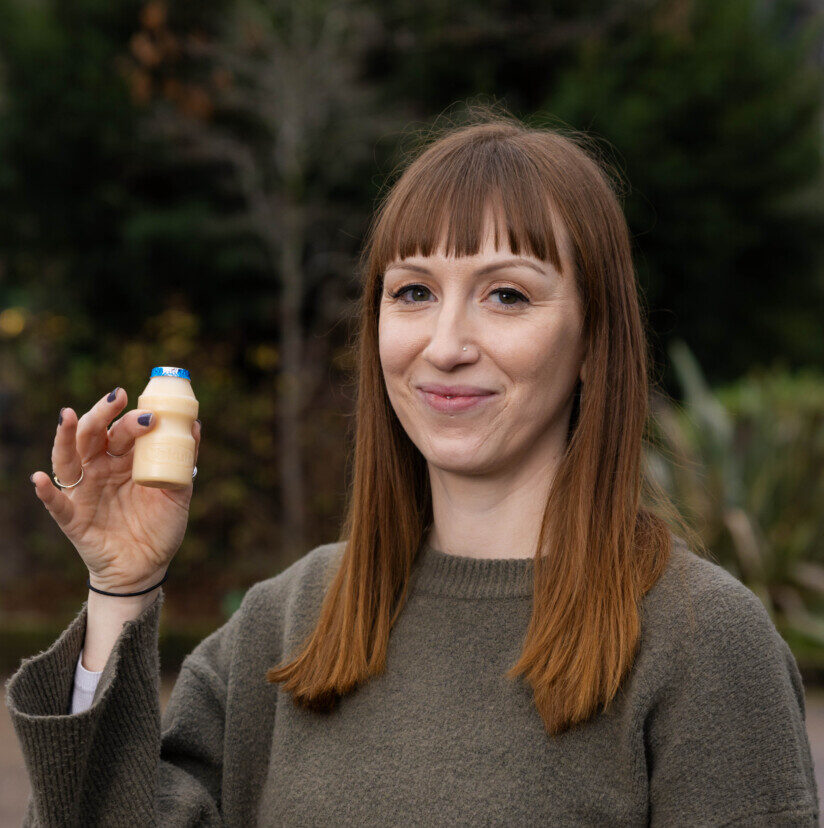
I’m a clinical psychologist and this is why living with a partner may make your gut healthier.
Dr Naomi Middleton, a Clinical Psychologist specialising in gut health, has revealed the hidden benefits of couples cohabiting, explaining that healthy ecosystems become intertwined.
She highlighted that everything from kissing, sharing meals and living spaces, and physical closeness plays a significant role in supporting a balanced gut microbiome and overall digestive health.
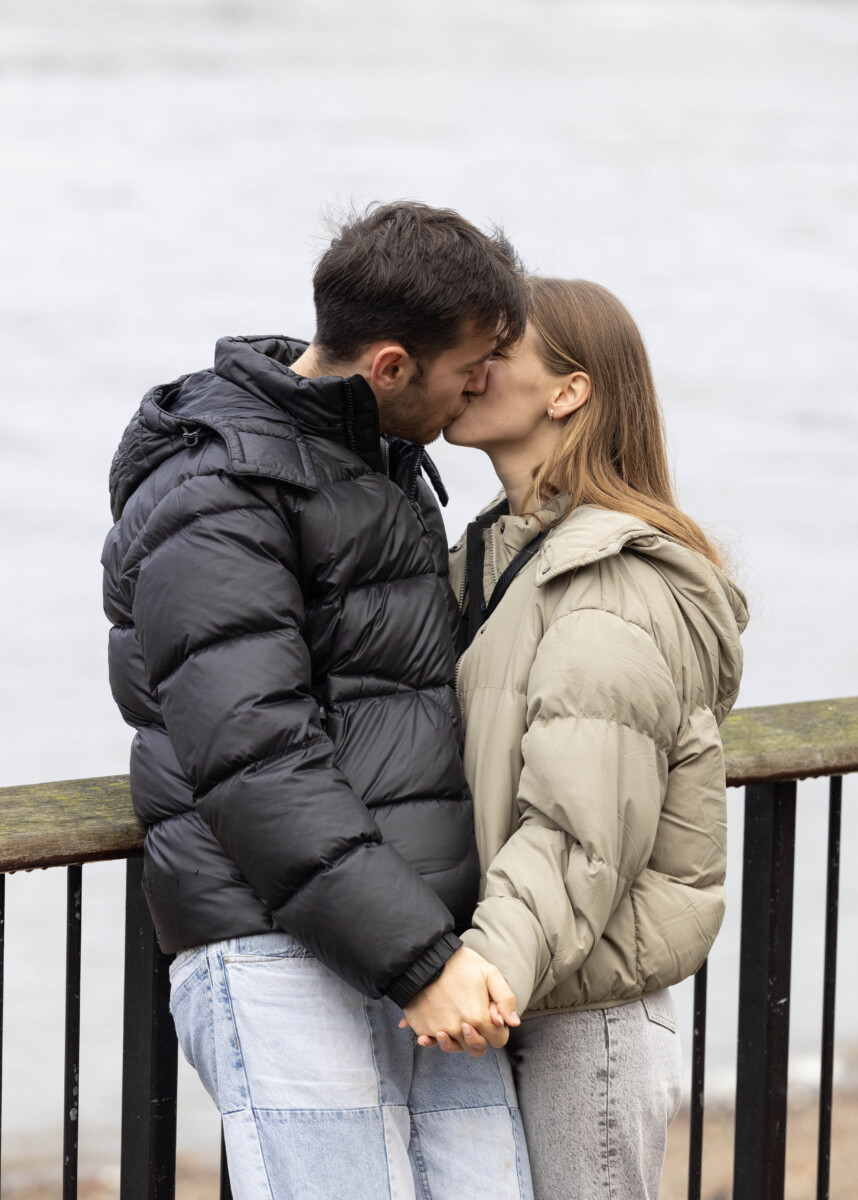
When it comes to kissing, the clinical psychologist pointed to research showing a single 10-second kiss can transfer up to 80 million bacteria between partners[1].
However, this isn’t a bad thing, as it helps create a shared oral microbiome, which may influence gut ecosystems and supporting immune resilience[2].
While just being in someone’s presence in the home for a prolonged period can promote microbial diversity and reduce stress-related gut inflammation.
She also encouraged couples to share more meals together, as this helps synchronise digestive patterns and supports a healthy metabolism.
Dr Middleton, who partnered with Yakult, said: “The people you live with don’t just share your space – they share your microbes, your rhythms and even your gut health.
“The gut microbiota is highly responsive to shared environments and close social bonds, particularly with those we spend significant amounts of time with.
“This increased diversity from close contact could also help reduce stress-related gut inflammation, offering further long-term health benefits.”
It comes after research of 2,000 adults found of those who live with their partner, 40 per cent have noticed a greater sense of companionship since moving in together.
While other benefits cited include improved mood for 28 per cent and 19 per cent even sleep better.
But when it comes to kissing these couples spend more than four hours of every year locking lips.
As those in relationships share an average of five kisses a day, with each lasting around eight seconds.
Loved-up Welsh couples were revealed to be the most affectionate overall, averaging 42 kisses a week, while Londoners linger the longest – with each smooch lasting an average of 15 seconds.
Those who aren’t married are also more likely to pucker up, clocking 1,825 kisses a year, compared to 1,460 among couples who have tied the knot.
Dr Middleton added: “Kissing can play a surprisingly significant role in supporting a balanced gut microbiome and overall digestive health.
“It involves the direct exchange of oral bacteria, creating a shared oral microbiome that may influence gut ecosystems and support immune resilience.
“Regular affectionate contact can also help regulate stress responses, which is important as stress is closely linked to gut health.
“In that sense, kissing supports both emotional wellbeing and physical health in ways many people wouldn’t expect.”
Despite this, only 11 per cent of those polled were aware that kissing could influence the gut ecosystem over time.
Many instead pointed to its emotional upsides, such as triggering the release of ‘feel-good’ hormones (50 per cent), according to the research carried out by OnePoll.
However, after learning that close contact can exchange millions of bacteria, 35 per cent said they plan to make a conscious effort to keep up daily affection.
Dr Holly Neill, Yakult Science Manager, said: “Close contact is a vital part of healthy relationships, helping couples feel emotionally connected, supported and reassured.
“While the emotional benefits of affection are well known, there’s growing evidence that physical closeness can also support physical health in less obvious ways.
“Sharing daily moments of affection can help reduce stress, support wellbeing and even influence the balance of bacteria we carry.
“It’s a powerful reminder that small, everyday gestures can have a meaningful impact on both relationship satisfaction and overall health.”
[1] https://pmc.ncbi.nlm.nih.gov/articles/PMC4233210/
[2] https://www.sciencedirect.com/science/article/pii/S1090513825001266
Image ©Licensed to Ben Stevens Photography