UK heatwaves could trigger surge in costly home damage claims, experts warn
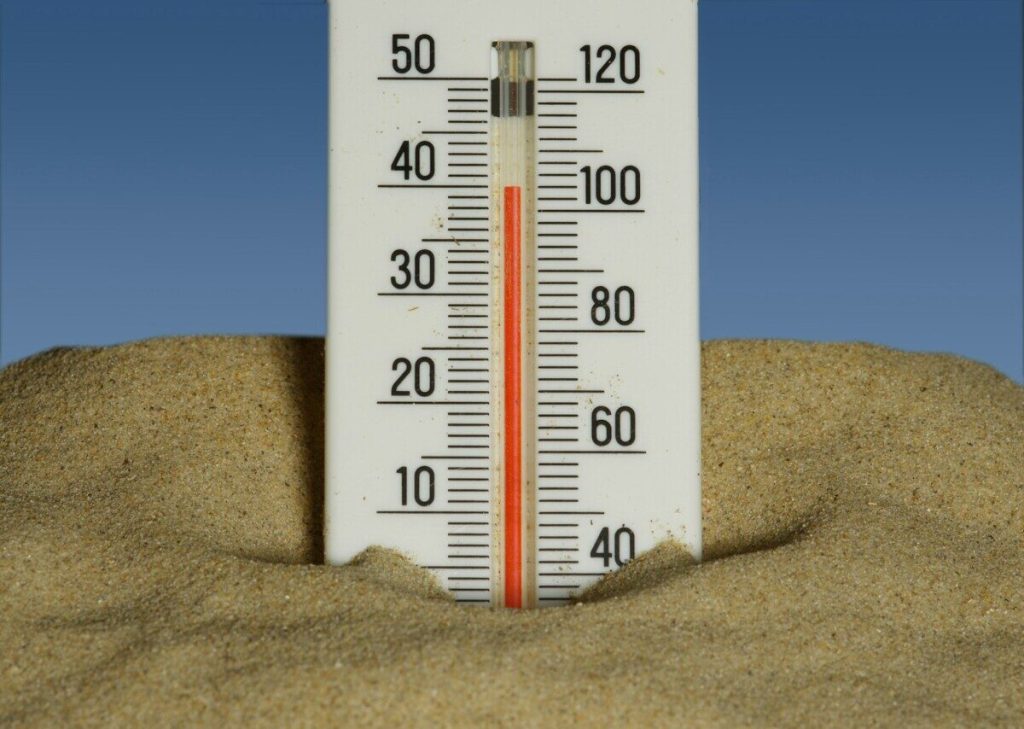
Property preservation specialists have warned the soaring Summer temperatures are set to increase the risk of costly structural repairs.
According to experts at Timberwise, the red-hot heat will increase the risk of subsidence, roof deterioration, cracked masonry, and warped frames.
Insurers paid out an estimated £219 million in claims following the record-breaking 2022 UK heatwave, when temperatures exceeded 40°C for the first time. Around 18,000 additional claims were linked to heat-related property damage as prolonged dry conditions caused clay-rich soils to shrink and destabilise building foundations.
And experts say there could be a similar number of claims if the recent hot-spell is replicated over coming weeks.
George Edwards, Managing Director at Timberwise, said: “Most people associate property damage with storms, flooding and winter weather, but prolonged heat can be just as destructive.
“During periods of extreme heat, the ground beneath homes can dry out and shrink, placing enormous stress on foundations and structures. Small defects that might seem harmless in spring can quickly develop into major and very expensive problems during a heatwave.
“Many homeowners only notice the warning signs once cracks begin appearing indoors, doors stop closing properly, or water starts entering the property through damaged roofing and failed seals.
“The best protection is early intervention. A simple inspection before summer can identify vulnerabilities before they escalate into serious structural issues.”
Mr Edwards said subsidence is one of the biggest risks during hot weather, particularly in areas with clay soil. As moisture evaporates from the ground, the soil contracts and can cause foundations to shift unevenly.
Warning signs of subsidence can include cracks appearing around doors and windows, wallpaper rippling unexpectedly and doors and windows sticking.
Roofs are also particularly vulnerable during extended periods of heat and direct UV exposure.
High temperatures can cause roofing materials to expand and contract repeatedly, weakening seals, flashing and fixings over time. Asphalt shingles may curl, blister or crack, while flat roofs can soften and become susceptible to blistering and water ingress.
Exterior surfaces can also deteriorate rapidly during heatwaves. Paintwork may fade, peel or blister, while render and masonry can crack due to thermal expansion. uPVC window and door frames exposed to direct sunlight may warp, affecting insulation and security.
Heat can also damage sealants and double glazing. Sealant and caulking can dry out and split, compromising weatherproofing, while failed double-glazing seals can lead to condensation and misting between panes.
Driveways, patios and paths are another overlooked risk area. Asphalt surfaces may soften and rut during prolonged hot spells, while concrete can crack if expansion joints are inadequate or poorly maintained.
Inside the home, excessive heat and direct sunlight can fade furniture, flooring and fabrics, while wooden floors and furniture joints may shrink and separate as moisture evaporates.
Loft spaces can become dangerously hot during heatwaves, potentially damaging stored belongings and increasing strain on electrical systems. Cooling systems, refrigeration units and air conditioning can also come under additional pressure during periods of sustained high temperatures.
To reduce the risk of heat-related property damage, Timberwise recommends homeowners take the following preventative measures before summer temperatures peak:
- Inspect your property early: Check roofs, guttering, flashing, masonry and external walls during spring and early summer. Addressing small defects early can prevent significantly larger repair costs later.
- Improve roof and loft ventilation: Proper airflow allows trapped hot air to escape and reduces stress on roofing materials and timber structures.
- Protect against subsidence: During prolonged dry periods, water soil around the perimeter of the property gradually and evenly to help stabilise moisture levels around foundations.
- Reduce heat absorption: Light-coloured exterior paints, reflective roof coatings and solar-reflective window films can help reduce surface temperatures and internal heat build-up.
- Maintain seals and exterior finishes: Inspect caulking, sealants and paintwork regularly to ensure weatherproof barriers remain intact during extreme temperatures.
- Check driveways and paths: Repair small cracks in asphalt promptly and ensure concrete expansion joints remain clear and functional.
For more information and property care advice, visit Timberwise