How wooden acoustic design is reshaping modern British interiors
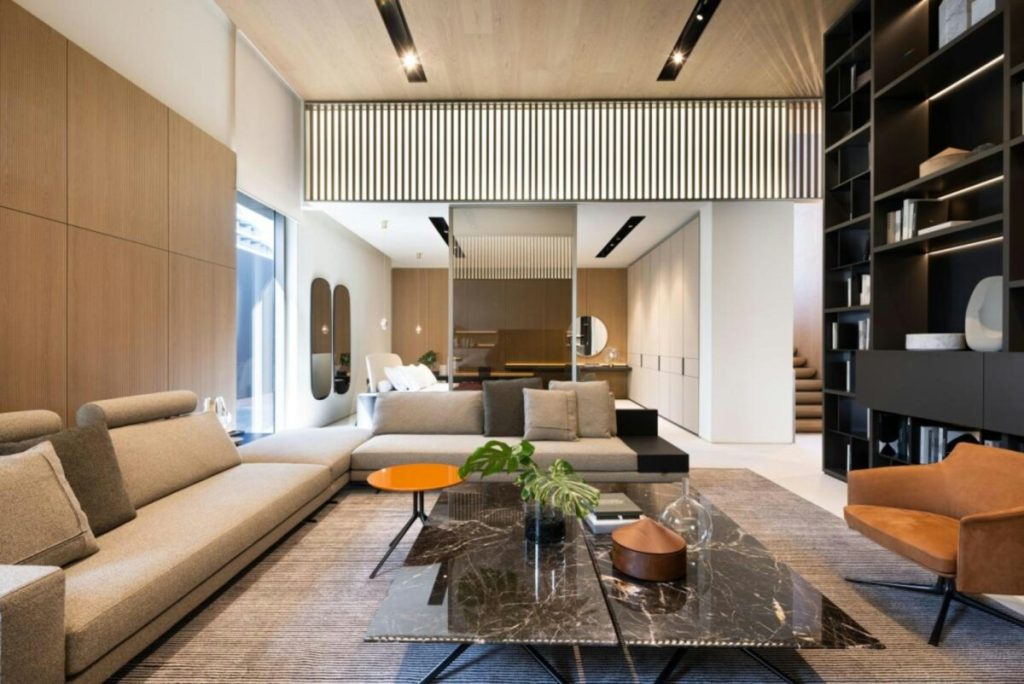
The sound of a room shapes how people feel in it long before they notice the furniture or the colour on the walls. In busy British homes and workplaces, hard surfaces, open layouts and large windows often create a harsh echo that tires the brain and makes conversation difficult. As more people work from home, host clients in small studios or run hospitality venues in compact buildings, interest in acoustic design is rising fast.
One solution is starting to stand out because it solves several problems at once: the discreet use of a wooden acoustic panel as both a design feature and a technical upgrade. Instead of hiding sound treatment behind plasterboard or fabric, designers now bring it forward as a visible element that adds warmth, rhythm and character to a space.
From echoing rooms to calm spaces
Noise is not just an irritation. Prolonged exposure to reverberation and overlapping voices increases stress levels, reduces concentration and makes even simple meetings feel draining. In small offices, cafés and open-plan living rooms, sound bounces between parallel walls, glass and hard floors. The result is that people raise their voices to be heard, which only makes the problem worse.
Acoustic panels break this cycle by interrupting and absorbing sound waves. Traditional solutions often relied on thick, plain slabs that looked more at home in a recording studio than a living room. The latest generation of wooden panels changes that expectation. Slim slats, mounted on a felt or acoustic backing, create gaps where sound energy is trapped and softened, while the visible timber surface keeps the room looking refined rather than technical.
In practice, this means a dining room where guests talk across the table without shouting, a compact meeting room where online calls sound clear, or a small bar where music and conversation coexist without becoming a blur of noise.
Why wood suits the British climate and lifestyle
Wood brings more than visual warmth. It responds well to the mix of older housing stock and contemporary builds that defines many British towns and cities. In Victorian terraces, 1960s semis and new-build apartments alike, solid walls and minimal soft furnishings leave little to absorb sound. A timber slat wall adds texture and depth without stealing much floor area.
The material also sits comfortably alongside common interior trends. Nordic-inspired minimalism, darker moody palettes and biophilic design all benefit from the grain and tone of oak, walnut or ash. When used behind a sofa, around a TV wall or as a feature in a hallway, the panels turn an otherwise flat surface into a focal point that feels intentional rather than purely functional.
From a practical angle, wooden panels usually mount on battens or directly on the wall, making them suitable for both rented and owned properties when installed with care. They often cover existing blemishes or uneven surfaces, which makes them attractive in older buildings where perfect plaster is rare.
Work, hospitality and education: different needs, same solution
The acoustic challenge looks different in a co-working hub than in a family kitchen, yet the underlying problems are similar. In offices, staff need clear speech for calls and meetings, but they also need a sense of privacy and calm. Mounting panels behind desks, along corridors or in breakout spaces reduces the constant background murmur that drains focus.
In hospitality, owners of small restaurants and cafés frequently discover that a successful evening service becomes uncomfortably loud. Hard tables, bare ceilings and tiled floors reflect every laugh and clink of cutlery. Adding wooden slat panels along one or two walls, or even on the ceiling above seating zones, helps contain sound and creates a more relaxed atmosphere that encourages guests to stay longer.
Schools and training centres also benefit. Classrooms and seminar rooms with poor acoustics make it harder for students to follow explanations, especially for those with hearing difficulties or attention challenges. Timber panels placed at the rear and side walls reduce echo without making the room feel closed-in or gloomy, which supports both learning and wellbeing.
Sustainability and maintenance in everyday use
As awareness of environmental impact grows, many homeowners and business owners look more closely at material choices. Wooden acoustic solutions often use responsibly sourced timber and recycled acoustic backings. When specified correctly, they last for many years and age gracefully, developing a richer tone rather than looking tired.
Maintenance is straightforward. Dusting between the slats with a soft cloth or vacuum attachment keeps the surface clean, while the hard timber face resists the marks and dents that quickly age painted plasterboard. In busy spaces such as hotel lobbies or corridors, this durability matters as much as the acoustic performance.
A quiet upgrade with visible impact
What makes the modern wooden acoustic panel so compelling is its dual role. It behaves like a technical product, with measurable sound absorption values and clear performance benefits, yet it presents itself as a piece of interior design. Instead of hiding sound treatment behind the scenes, homeowners, architects and small business owners use it as a visible statement that elevates the room.
Whether the aim is to tame echo in a compact home office, soften chatter in a lively restaurant or bring warmth to a stark meeting room, these panels offer a direct route to calmer, more comfortable spaces. By treating sound as seriously as light and colour, British interiors move closer to environments where people not only live and work, but genuinely feel at ease.