New Homes Week Monday 2 Feb – 8 Feb: Five things to look out for when buying a new build
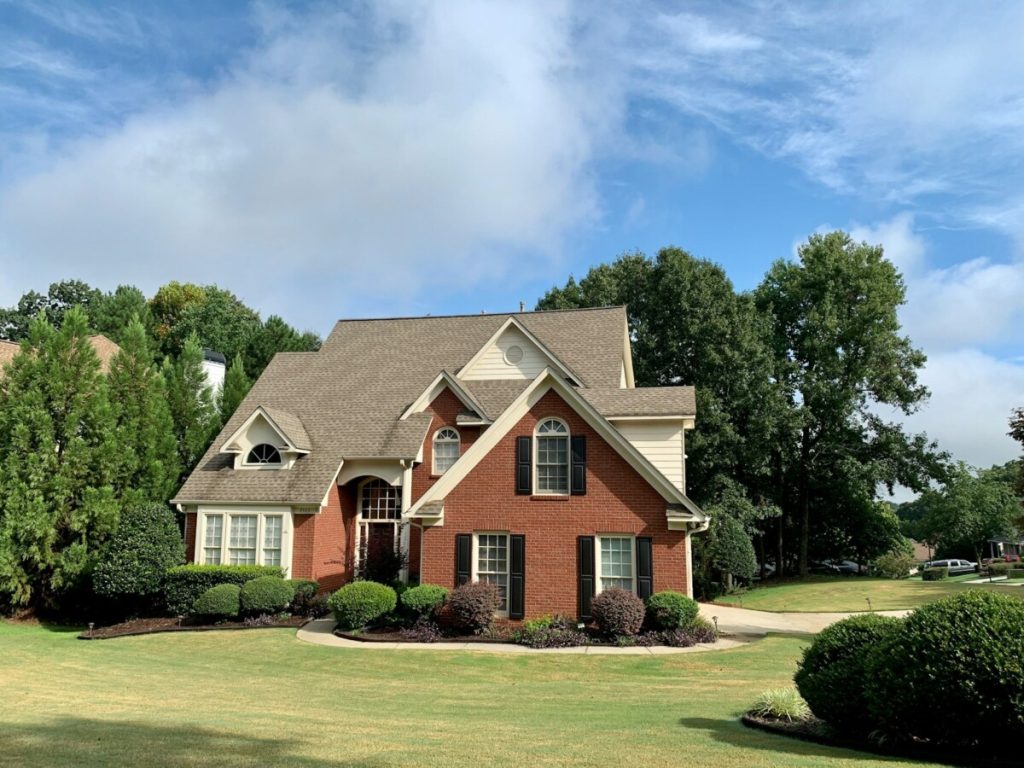
A leading property expert has shared his advice for those looking to purchase a new build home.
Feb 2 to Feb 8 marks New Homes Week and with the uptick in market activity post Christmas, sales are expected to pick up.
Many buyers will be looking towards new builds, but expert George Edwards, property expert at Timberwise, said new doesn’t necessarily guarantee perfection.
He said: “Some developers opt for cheaper materials which start to wear quickly; others may be sneaky with the small print.
‘Snags are always a pain to find, and following the hassles of buying a house and moving, getting small problems sorted can fall by the wayside simply because you’re exhausted.
‘However, if ignored, these snags can lead to much bigger problems in the future and you can find yourself having to foot extensive repair bills.’
Here, George shares five pieces of advice on what to look out for with new builds.
Check exterior walls for poor pointing
One frequent defect involves substandard pointing, which refers to the finish between the bricks or stonework of a building. Faulty pointing can allow water to penetrate walls, causing penetrating damp (when water leaks into a building through the walls or roof), which may damage internal plasterwork and décor. Homeowners should inspect the pointing carefully, ideally after rainfall when moisture ingress is easier to detect.
Inspect ventilation systems
Badly installed or blocked vents are another common issue that can cause condensation build-up, also resulting in damp later down the line.
Poor ventilation leads to mould growth, impacting air quality and leading to an unhealthy living environment. Buyers should verify that all vents are unblocked and properly fitted to ensure adequate air circulation throughout the property.
Examine the roof thoroughly
Roofs that have been improperly installed or that contain unnoticed faults can lead to leaks, resulting in timber rot and structural damage over time.
Buyers should inspect roofing materials and flashings closely, and seek professional surveys to detect hidden problems that might not be obvious on casual viewings.
Assess loft insulation quality
Inadequate insulation in loft spaces not only hampers energy efficiency but can also foster damp and mould development due to poor moisture control.
Buyers should check insulation coverage and quality levels to avoid higher heating bills and the risk of longer-term moisture damage.
Evaluate guttering and drainage systems
Faulty gutters, downpipes, and drainage can cause water overflow or blockage, potentially damaging brickwork and internal decorations.
Ensuring that guttering is correctly installed and free of debris helps prevent costly water damage to the building fabric.
Why vigilance matters
Homeowners should report any cosmetic or structural defects within seven days of possession to guarantee they are logged and rectified under warranty agreements.
And during the critical two-year defects liability period, buyers should meticulously document any issues with photographs and detailed notes.
Ignoring early warning signs risks escalating into more serious problems such as subsidence, structural cracks, or even roof failure, which can incur hefty repair costs and diminish a home’s value.