Monmouthshire – More Than A Stop On Your Journey From The Midlands
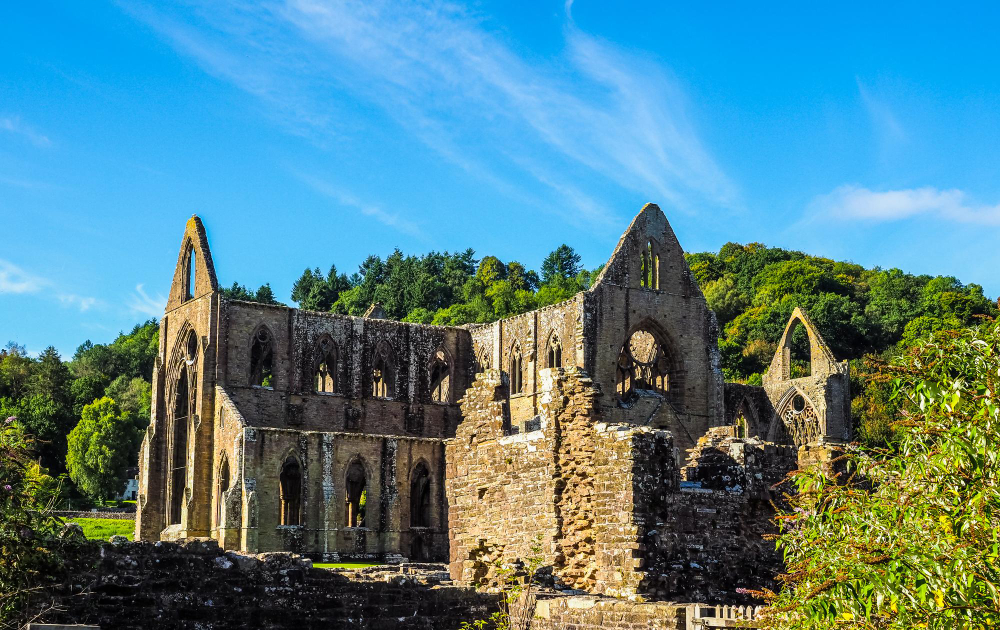
Image: Magnific
For thousands of travellers heading into Wales from the Midlands, Monmouthshire is often treated as the beginning of the journey rather than the destination.
Cross the border, follow the road west and the temptation is to keep driving. Cardiff, the Gower, Pembrokeshire and the Welsh coast are waiting, after all.
But perhaps it is time to stop.
Monmouthshire is far more than a convenient place to grab a coffee, stretch your legs and check how much longer the sat nav says you have left.
Sitting where the Wye Valley, Bannau Brycheiniog and the Gwent Levels meet, the county packs castles, mountains, rivers, remarkable food and some of Wales’ most attractive market towns into a relatively small corner of the country.
For visitors arriving from Birmingham, Worcestershire, Gloucestershire and the wider Midlands, it is also one of the easiest parts of Wales to reach.
The problem is that too many people simply drive straight through it.
Turn Off The Main Road And Discover The Wye Valley
One of Monmouthshire’s greatest attractions is the Wye Valley.
The River Wye winds through a landscape of wooded hills, limestone gorges and historic settlements, creating the kind of scenery which makes you wonder why you were in such a hurry to reach somewhere else.
Walking is one of the best ways to explore the area.
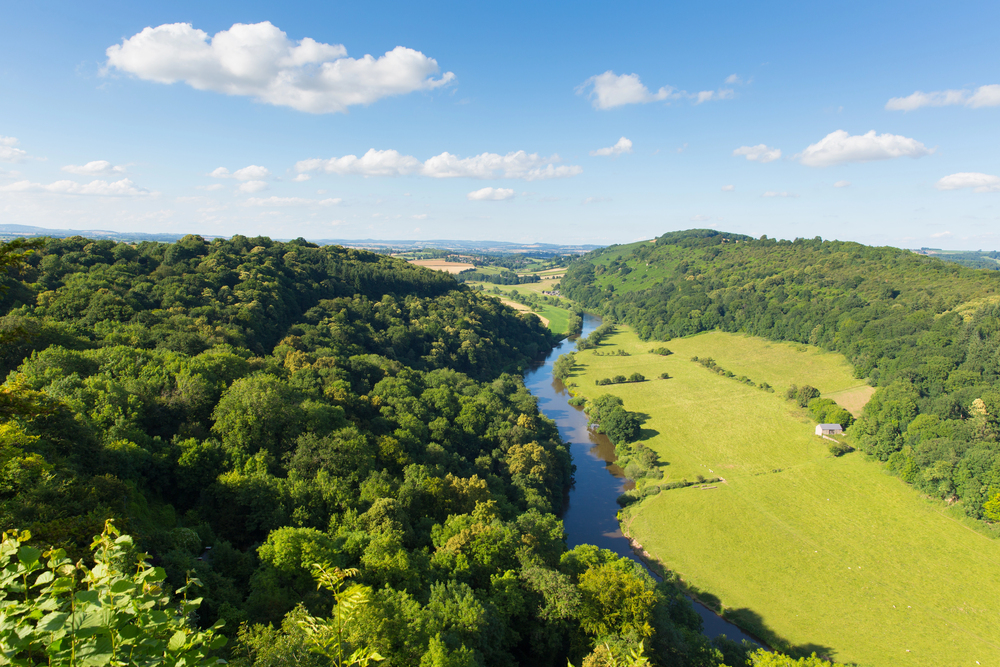
The Wye Valley Walk passes some of the county’s best-known landmarks, including Chepstow Castle, Tintern Abbey and Monmouth’s Georgian Shire Hall.
For cyclists, the five-mile Wye Valley Greenway between Tintern and Chepstow largely follows the route of the former Wye Valley railway line.
It is an area made for slowing down. While you are there, you may also want to check out the Forest of Dean and trail to Symonds Yat, taking in the stunning views.
Park the car, put the phone away for an hour and follow the river.
You may quickly decide that Monmouthshire deserves more than a motorway services-style visit.
Tintern Abbey Is Worth The Detour
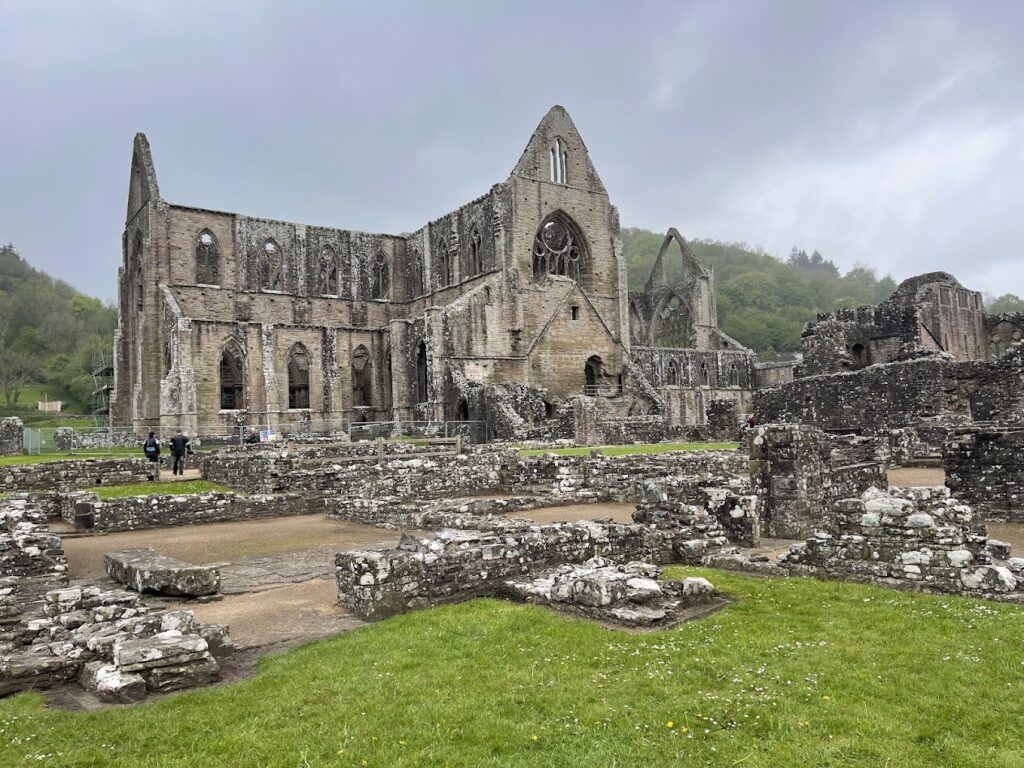
There are few sights in Wales quite like Tintern Abbey.
Standing on the banks of the River Wye, the roofless Cistercian abbey has survived as one of the country’s great historic landmarks.
Founded in 1131, Tintern Abbey has been inspiring travellers, poets and artists for centuries.
William Wordsworth famously drew inspiration from the landscape, while the wider Wye Valley became an important destination for early tourists seeking the dramatic and picturesque scenery of Britain.
Today, the abbey remains an extraordinary place to visit.
Walk beneath its towering stone arches and it is easy to imagine the scale of the building before the Dissolution of the Monasteries changed its future.
Tintern itself is also worth exploring rather than simply photographing the abbey and leaving.
The village sits in the heart of the Wye Valley and provides access to woodland walks, cycling routes and riverside scenery.
Chepstow Is More Than The Gateway To Wales
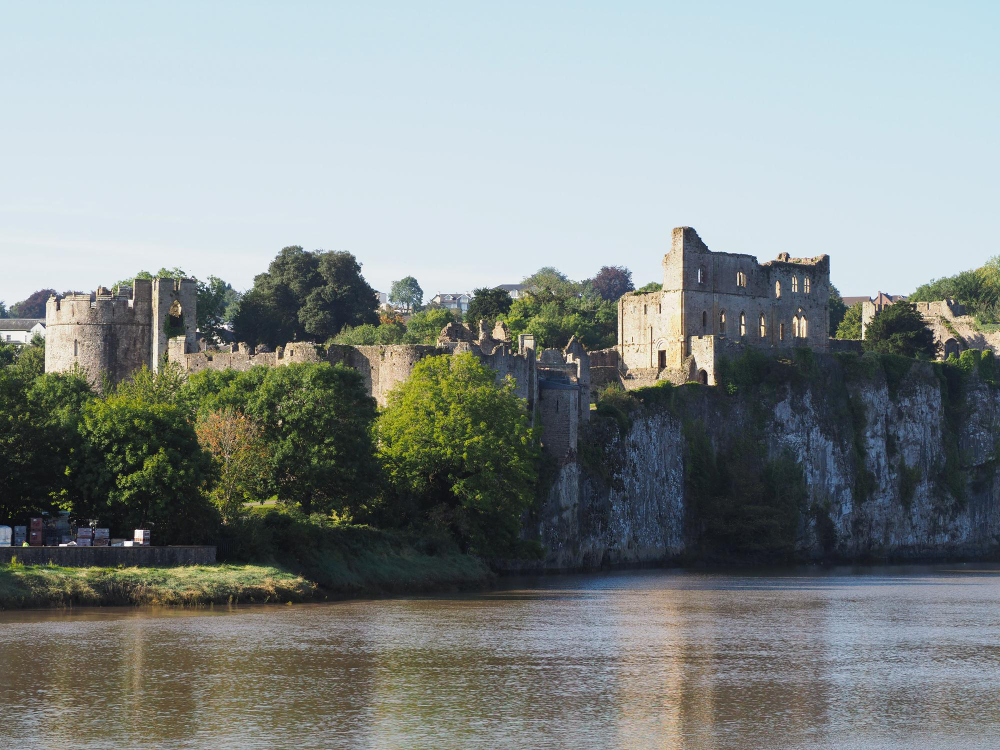
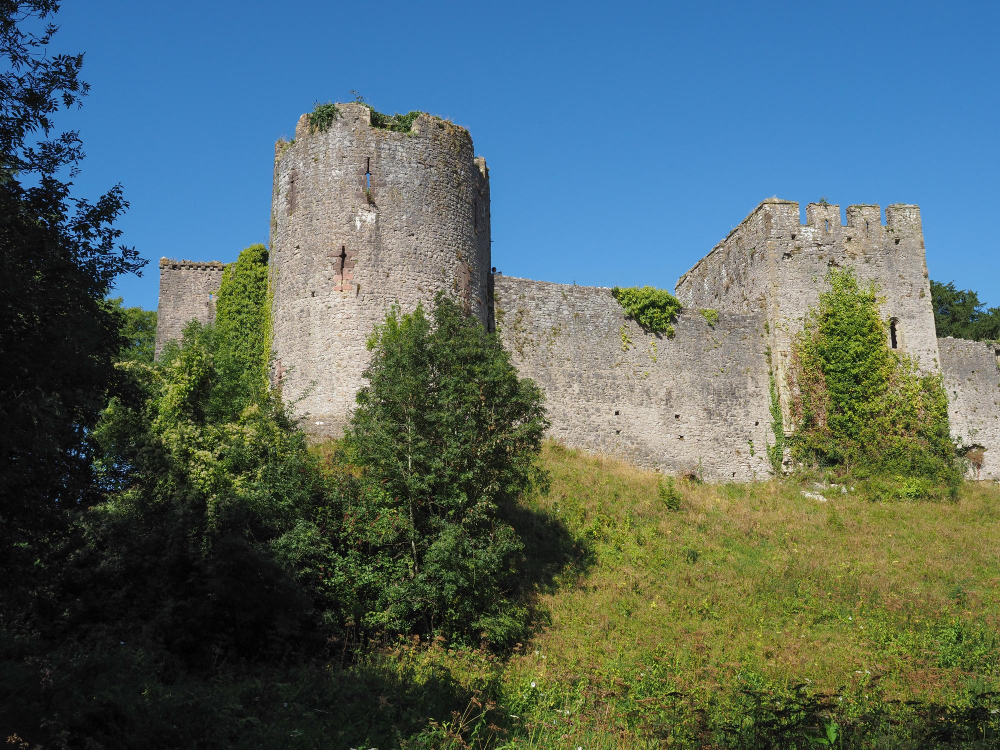
Chepstow is often described as a gateway to Wales.
That description is accurate, but perhaps slightly unfair.
A gateway is something you pass through.
Chepstow deserves a visit in its own right.
Its castle towers above the River Wye and is regarded as Britain’s oldest surviving post-Roman stone castle. The site also contains castle doors believed to be the oldest in Europe.
The town’s location in the lower Wye Valley makes it an excellent base for exploring the surrounding countryside, while Chepstow Museum offers more insight into the history of the town and valley.
You could easily spend a morning exploring the castle, have lunch in town and then follow the Wye towards Tintern.
Or you could stay overnight and accept that your carefully planned dash across South Wales has been delayed by somewhere unexpectedly lovely.
There are worse problems to have.
Abergavenny Has Become A Destination For Food Lovers
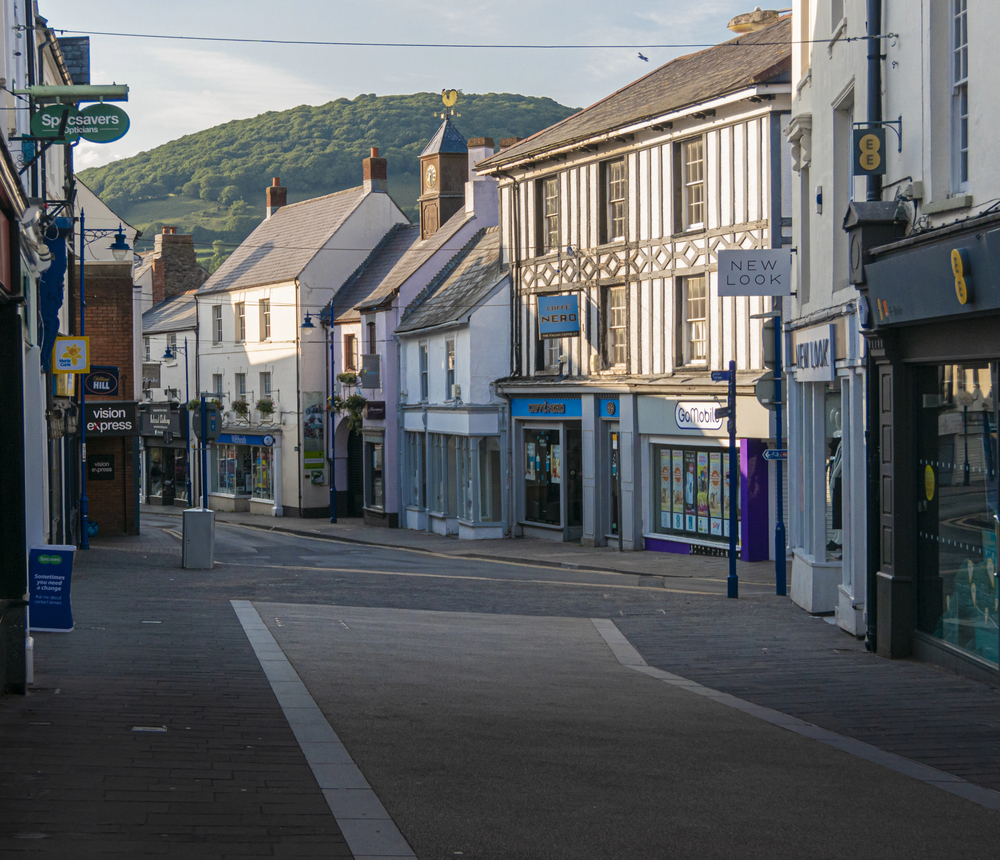
If your idea of a good weekend involves excellent food followed by a long walk to justify eating more excellent food, Abergavenny is difficult to beat.
The market town sits beneath the mountains and has developed a formidable reputation for food and drink.
Monmouthshire promotes itself as the Food Capital of Wales, with local producers, food workshops and acclaimed restaurants contributing to the county’s culinary reputation.
Abergavenny is at the heart of much of that food culture.
But the town is also an ideal base for exploring the surrounding landscape.
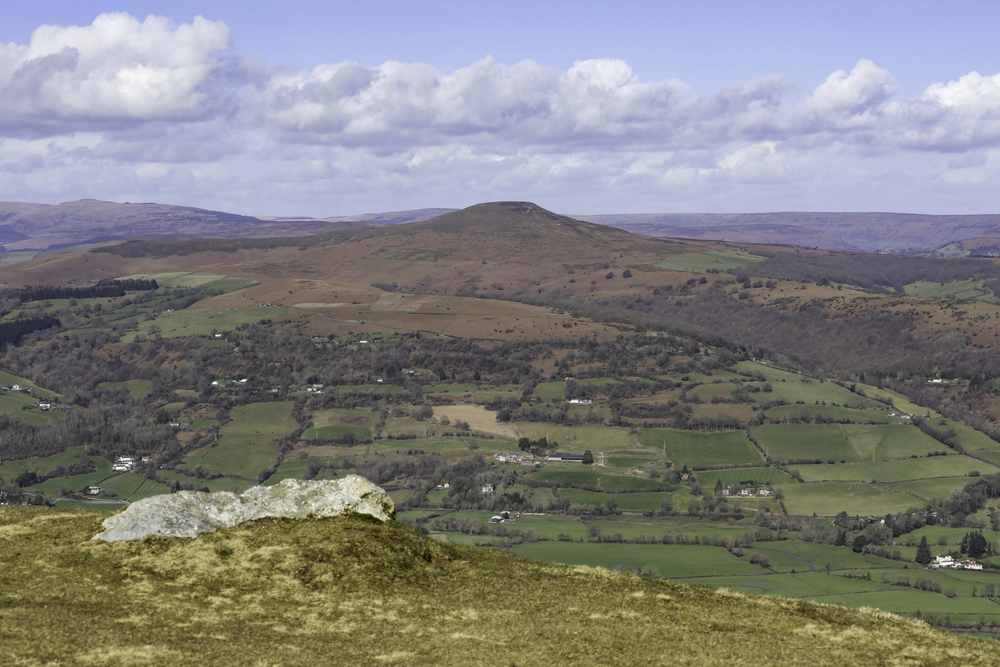
The Sugar Loaf, Blorenge and Skirrid dominate the skyline, providing plenty of opportunities for walkers who prefer their lunch to come with a mountain view.
Abergavenny still feels like a proper market town.
Independent businesses, places to eat and the surrounding countryside combine to make it a strong choice for a short break.
It is the sort of place where arriving for lunch can accidentally turn into checking hotel availability.
Monmouth Is A Town Made For Wandering
Monmouth gives its name to the county and sits close to the meeting point of the Rivers Wye and Monnow.
This is not a town which demands a rigid itinerary.
It is better explored slowly.
Historic streets, independent shops and riverside scenery make it ideal for a relaxed afternoon, while the surrounding Wye Valley offers plenty of opportunities for walking and outdoor activities.
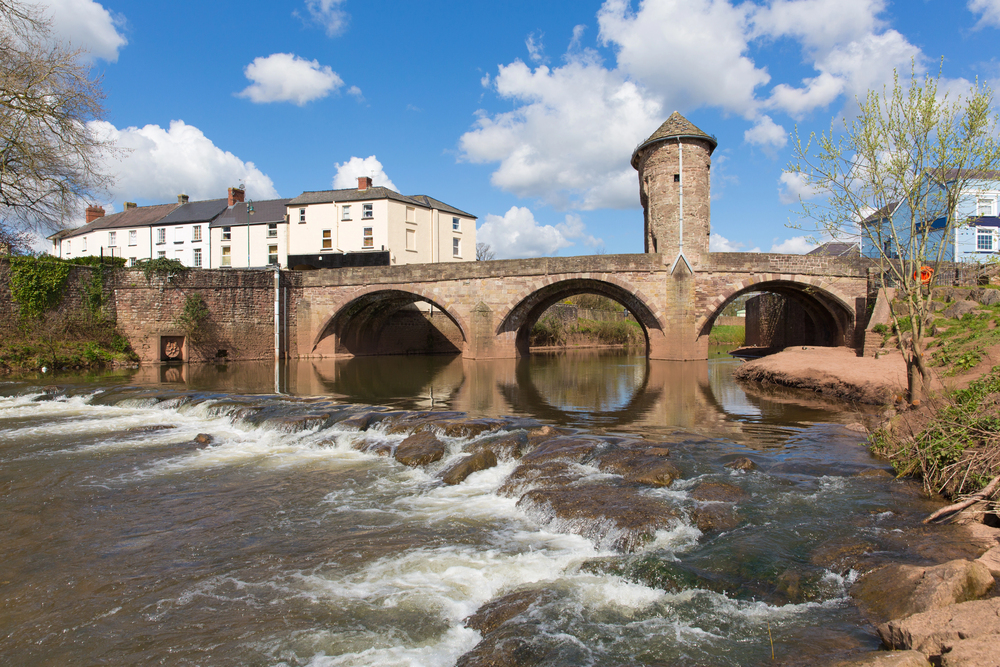
The wider Monmouthshire tourism area includes market towns and villages such as Monmouth, Abergavenny, Chepstow, Usk, Tintern, Caldicot and Magor, each offering a different reason to stop.
Monmouth is particularly well placed for visitors who want to combine countryside with the comforts of a town centre.
Walk. Eat. Browse. Find somewhere for coffee.
Sometimes the best weekends are not particularly complicated.
Usk Might Be One Of Wales’ Prettiest Small Towns
Then there is Usk.
Known for its flowers and riverside walks, the small Monmouthshire town has a quieter pace than some of the county’s better-known destinations.
It is exactly the kind of place travellers miss when the only objective is reaching the final destination as quickly as possible.
The River Usk runs through the landscape, while the surrounding countryside offers an easy escape from busy city life.
For Midlands visitors searching for a peaceful weekend without spending half of Friday evening sitting in the car, Monmouthshire has an obvious advantage.
You can arrive relatively quickly and still feel as though you have properly gone away.
Bring Your Walking Boots
Monmouthshire is serious walking country.
The Offa’s Dyke Path cuts through the landscape, offering views across the Wye Valley and towards the Black Mountains.
There are riverside walks around the Wye and Usk, while the Monmouthshire and Brecon Canal provides another gentler option for visitors who prefer relatively level scenery.
You do not need to be an experienced hiker.
There are short walks, woodland routes and longer trails for those who want to spend an entire day exploring.
Autumn is particularly spectacular when the Wye Valley woodlands change colour, but this is not a county which only works for one season.
Summer brings long days beside the rivers. Spring transforms the countryside. Winter can make the abbeys, castles and valleys feel even more atmospheric.
Stay The Night – You Are Not In A Hurry
Perhaps the biggest mistake visitors make with Monmouthshire is assuming it is a day-trip destination.
It can be.
But why rush?
A weekend gives you time to explore Chepstow and Tintern before heading towards Monmouth or Abergavenny.
You can walk in the morning, find a pub for lunch and spend the afternoon exploring a market town.
The following day, choose another part of the county.
Monmouthshire’s position on the border between England and Wales has always shaped its identity.
Today, that location makes it particularly convenient for visitors travelling from the Midlands and the South West of England.
Yet convenience should not be confused with a lack of adventure.
Next Time You Cross Into Wales, Stop
Wales is full of extraordinary destinations.
The beaches of Pembrokeshire are beautiful. The Gower deserves its reputation. Bannau Brycheiniog attracts walkers from across Britain and Cardiff remains one of the UK’s most enjoyable city-break destinations.
But there is no rule saying you have to drive past Monmouthshire to reach them.
Next time you head into Wales from the Midlands, ignore the instinct to keep going.
Turn towards the Wye Valley.
Walk beneath the arches of Tintern Abbey.
Explore Chepstow Castle.
Eat in Abergavenny.
Wander around Monmouth.
Spend a quiet afternoon in Usk.
And perhaps stay the night.
Because Monmouthshire is not simply the place you pass through on your way into Wales.
It might just be the part of Wales you should have been travelling to all along.
For more ideas on places to visit, walks and things to do, see Visit Monmouthshire.